
2026 Spring Micro-Grant Recipients
A Children’s Habitat Montessori School
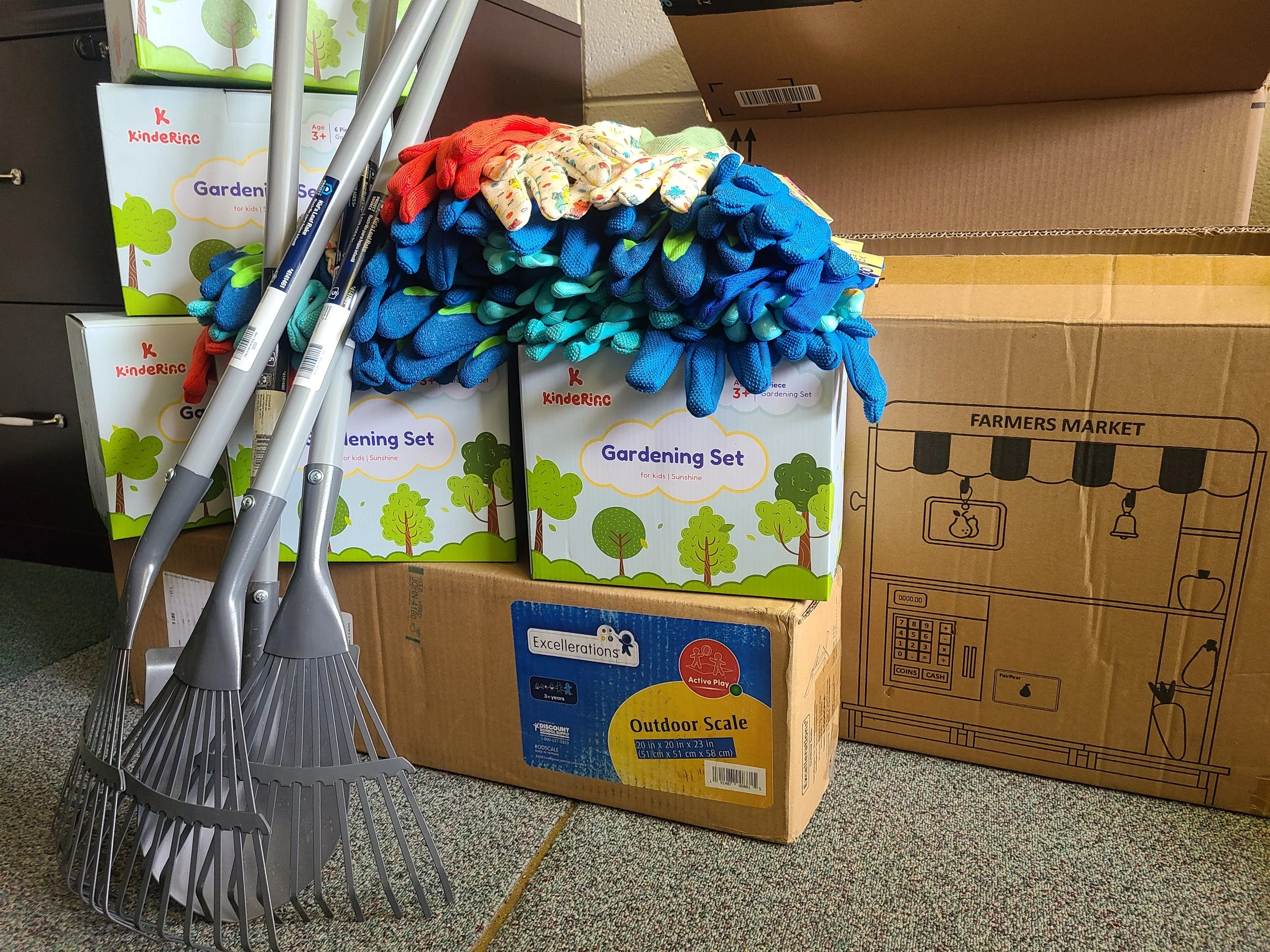
The Prepared Environment Beyond the Walls: Sitting on a 3 acre lot with a dedicated Outdoor Classroom, A Children’s Habitat used this grant to expand their outdoor teaching space into a true extension of the classrooms and curriculum. Ms. Monroy created a curriculum for "The Prepared Environment Beyond the Walls" for students to study math, botany, and science through nature and imaginative play. Students also use the space to practice collaboration skills and mutual responsibility, while fostering stewardship for our planet.
Center for inquiry at SChool 84
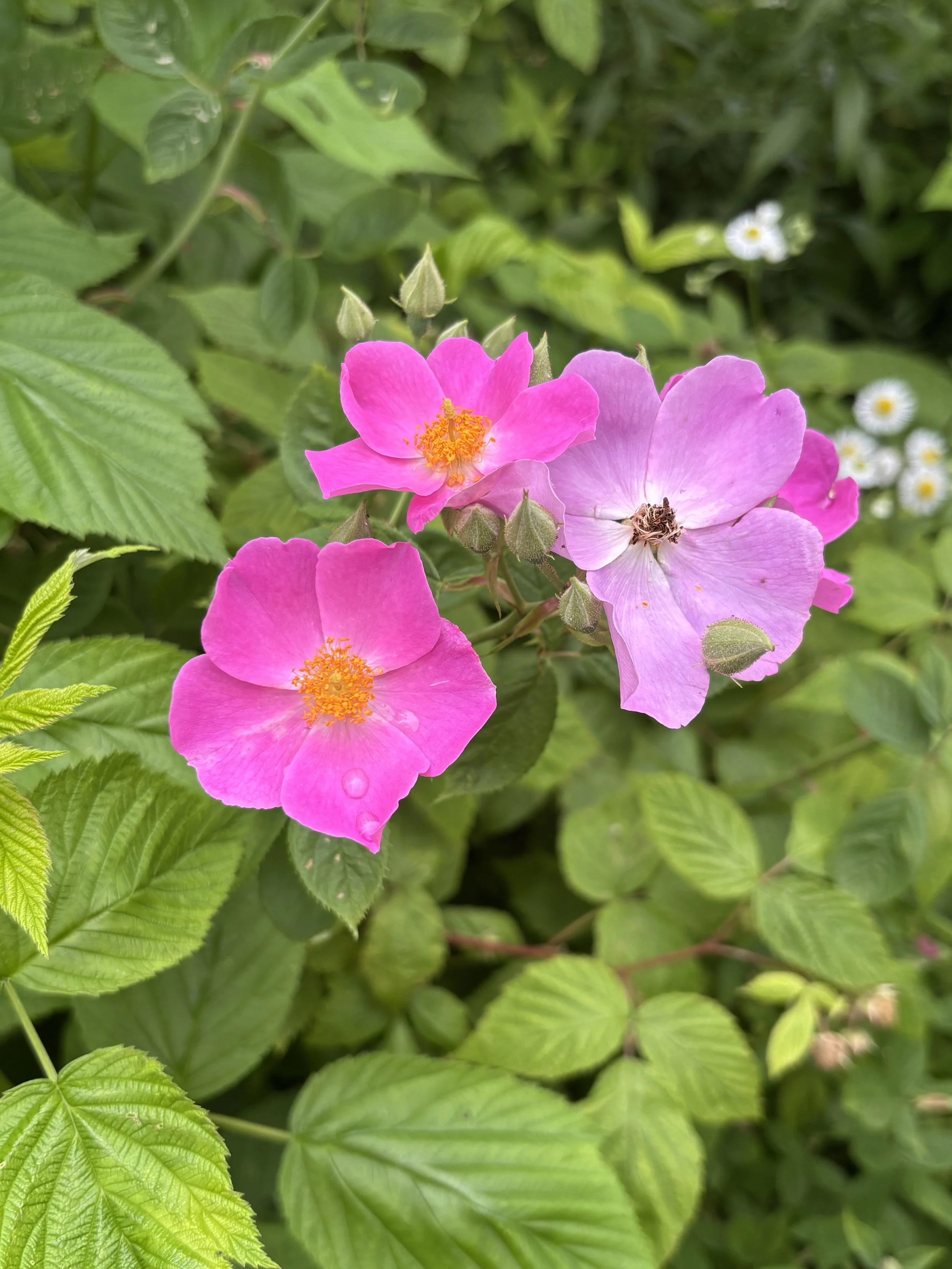
Dye Garden Project: CFI 84 had the idea to create a dye garden from the ground up with the goal of incorporating this into their art classes and discovery clubs and use the dyes to color fabric and yarns for future projects. They purchased all of the supplies to build raised garden beds, soil, seeds, and all the materials to plant and tend our garden - watering cans, shovels, etc. They also bought materials to dry and store dye plants once harvested.
christ the king catholic school
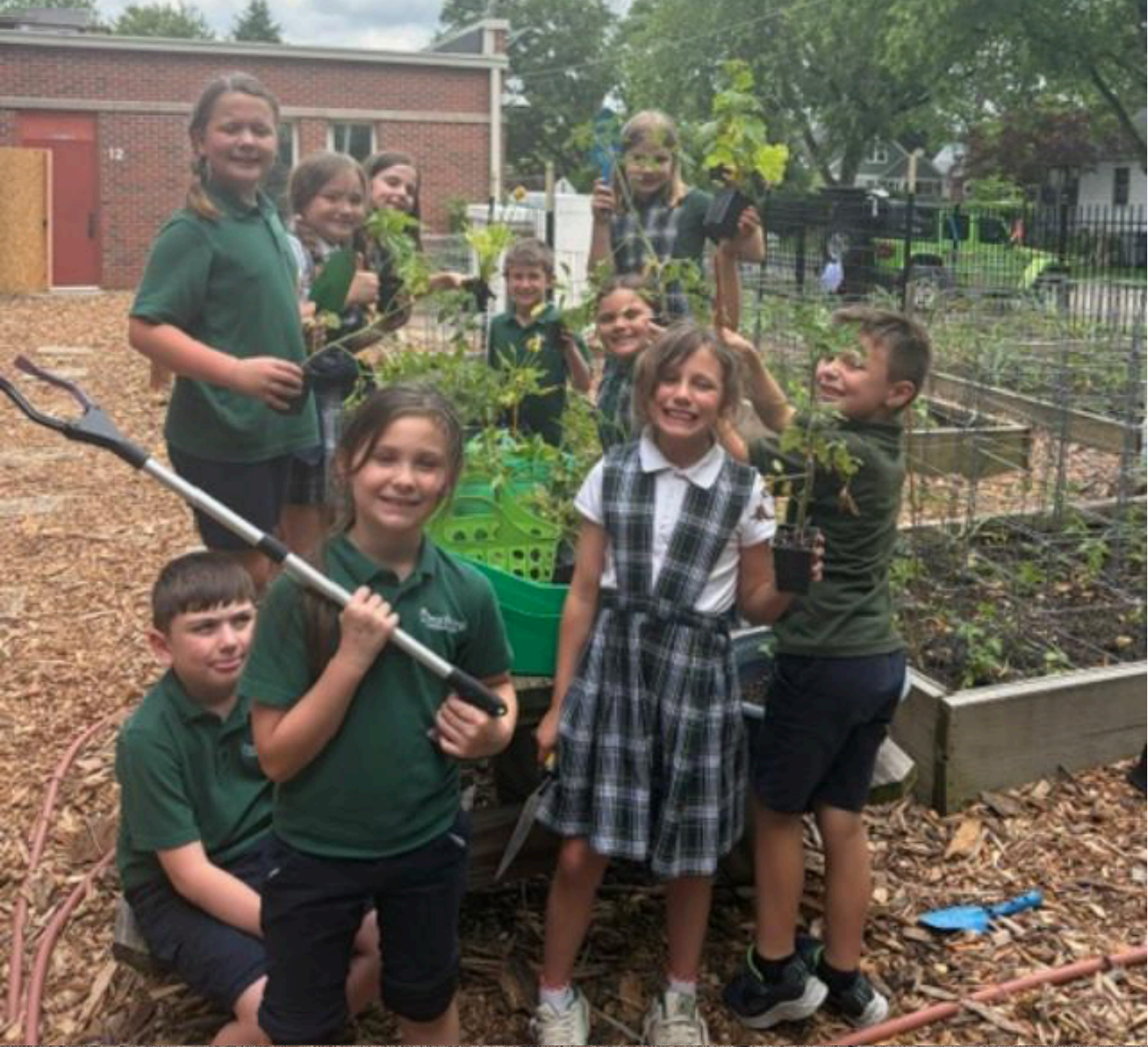
Spring Garden Spaces: This was the first year they were able to include the middle schoolers in their green team activities, with 1 garden bed per class at the school (18 total), and veggie starts are in the ground. They had participation from the entire student body, around 15 parent volunteers, and 2 volunteers from the Herb Society! Christ the King donates all of their produce to the Boulevard Food Pantry.
eastridge elementary school
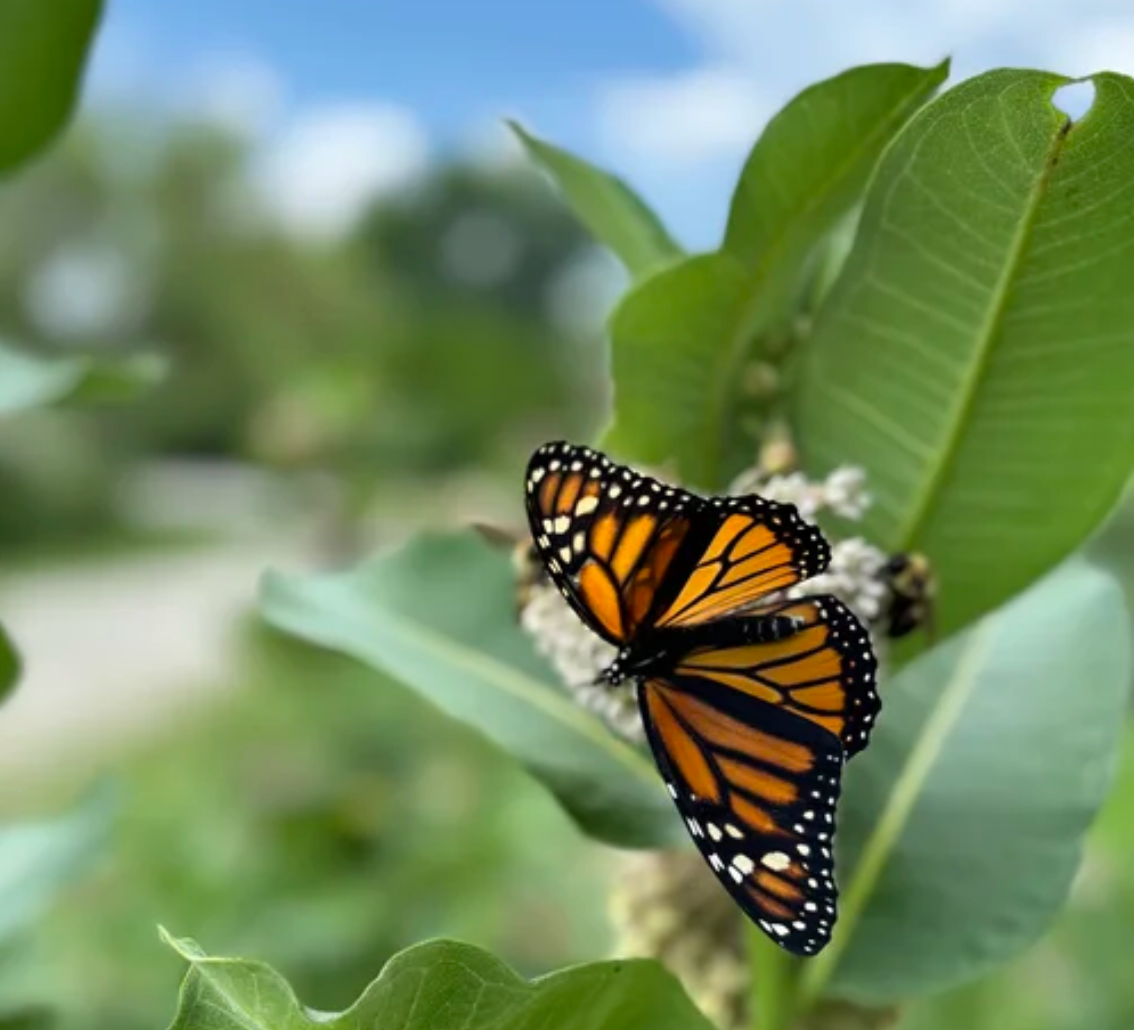
Community Garden: The Eastridge school garden has been fully cleaned and prepared for the season, and is thriving. Students planted a variety of vegetables, including carrots, peas, onions, and broccoli, which are all currently growing well. In addition, milkweed was planted to help attract monarch butterflies.
Green LEaf Montessori
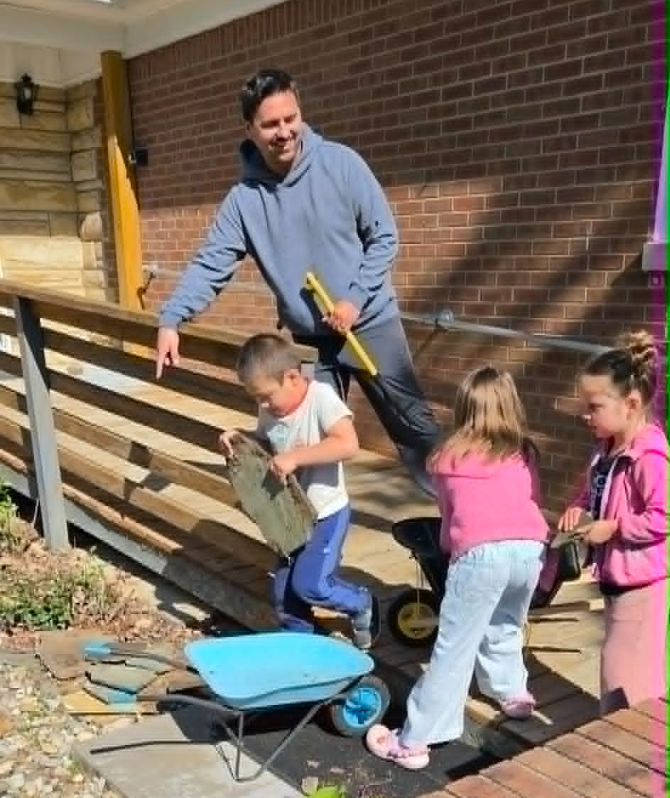
Growing Minds Garden: The project was developed to design and create new garden areas, as well as update and enlarge existing landscaped areas with native plants and edible plants for the student body and their families to enjoy. Part of the Montessori philosophy includes care for the environment and developing practical skills. The Growing Minds Garden not only brought unity through working together, but also a sense of pride and self-worth in this opportunity to give back to the school. Volunteers and students alike admire what their hard work produced and they recognize the areas they contributed to. Everyone has been impressed with the updates!
Herron preparatory academy
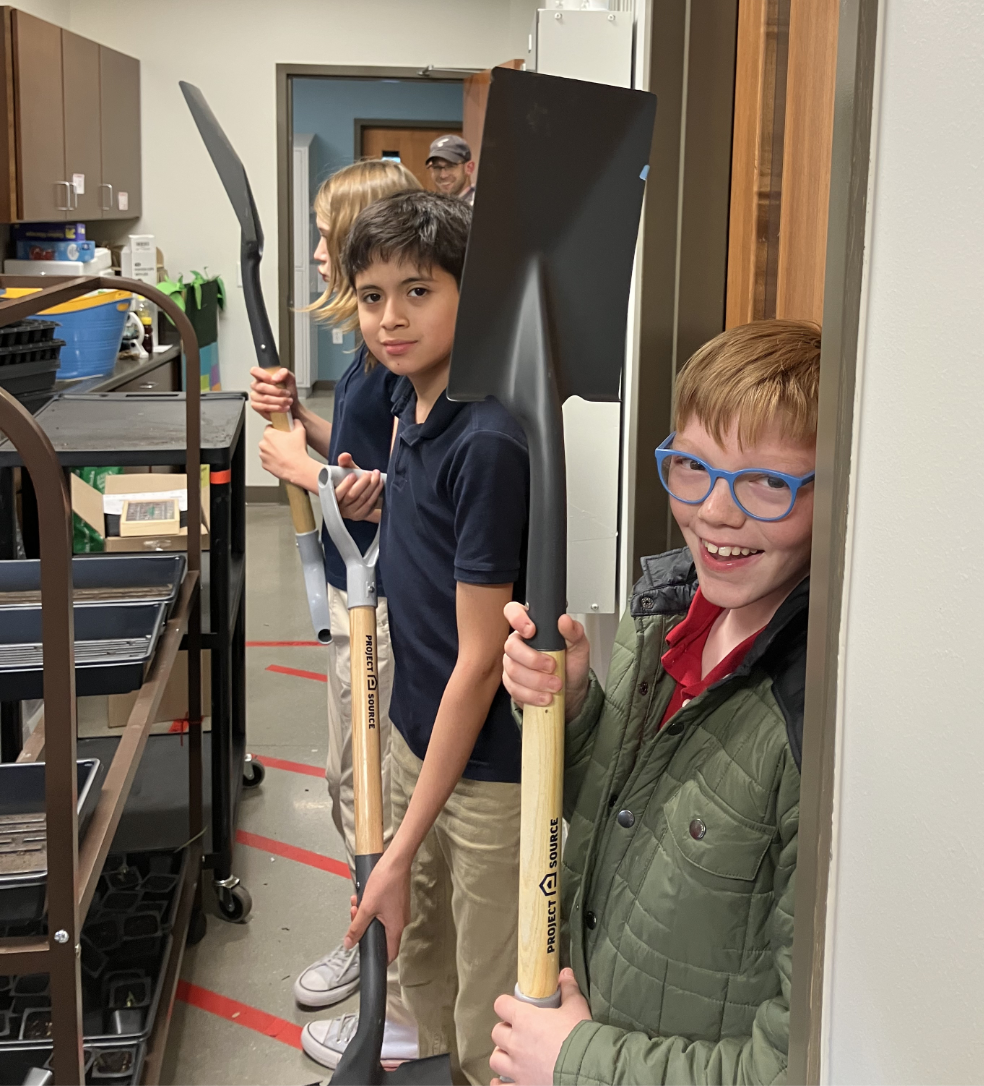
HPA School Learning Garden: HPA used this grant to buy durable, long-lasting tools for students to use. With these tools, members of the Nature Club planted 4 apple trees along fence line with the plan to graft and prune these trees using espalier techniques. This quarter, students raised over $300 for the garden by selling Zinnia, Basil, and Tomato seedlings. These seedlings were all planted and tended-to by members of Nature club. Additionally, The Children's Museum staff broke ground on garden construction and our Nature Club students were able to measure and set 10 raised beds along the site.
ips eliza baker school 55
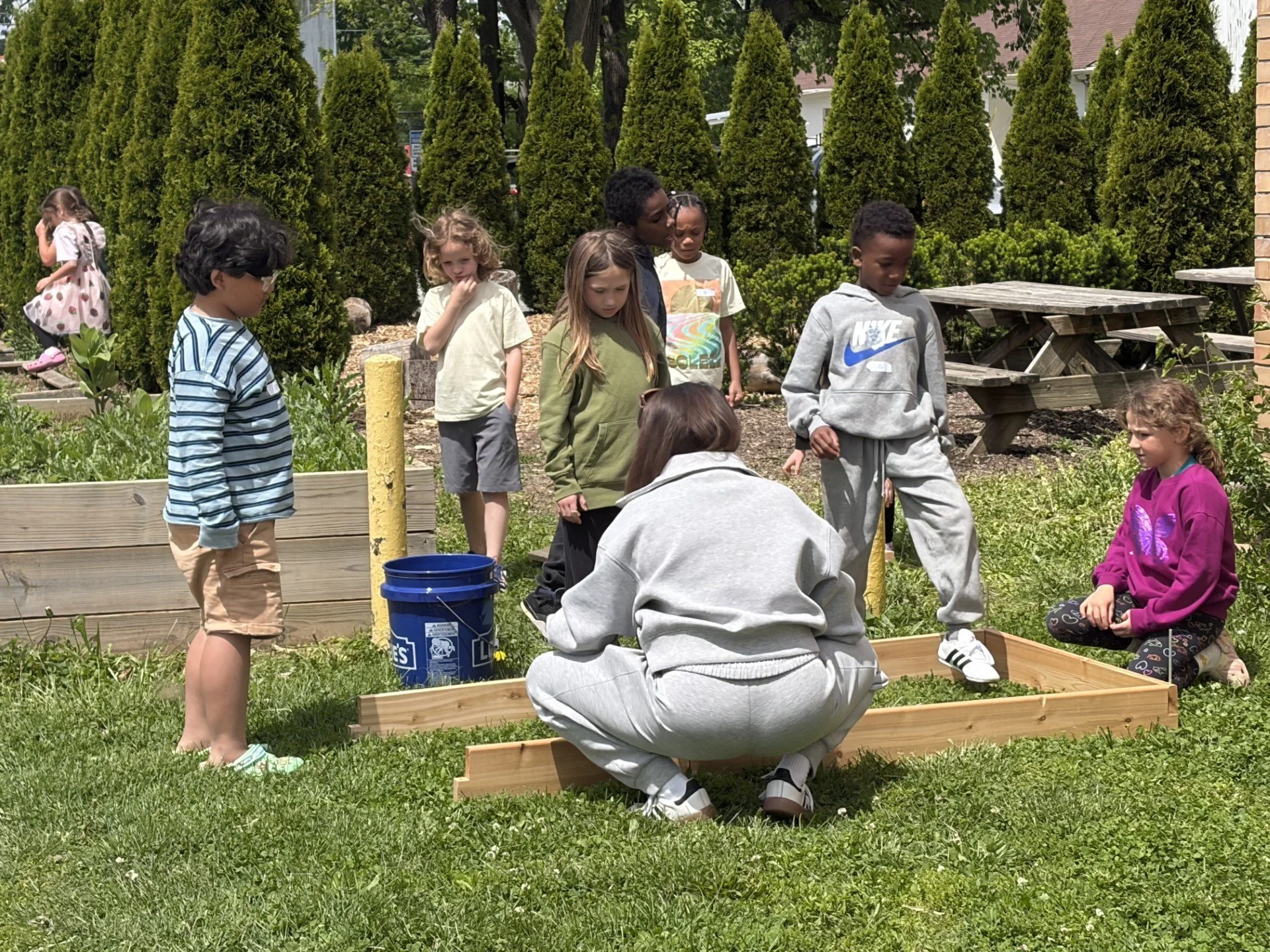
Outdoor Garden Space: With this grant the were able to purchase new cedar plank raised garden beds that one of the 2nd grade classrooms took the lead for building and planning. The second graders used their lessons on community to guide the planning process, asking the school community what their families favorite vegetables are and that is what they want to plant this spring. Over 40 students worked together to assemble the beds and develop the planting plan, creating a project that benefits the entire school community.
lakeside elementary
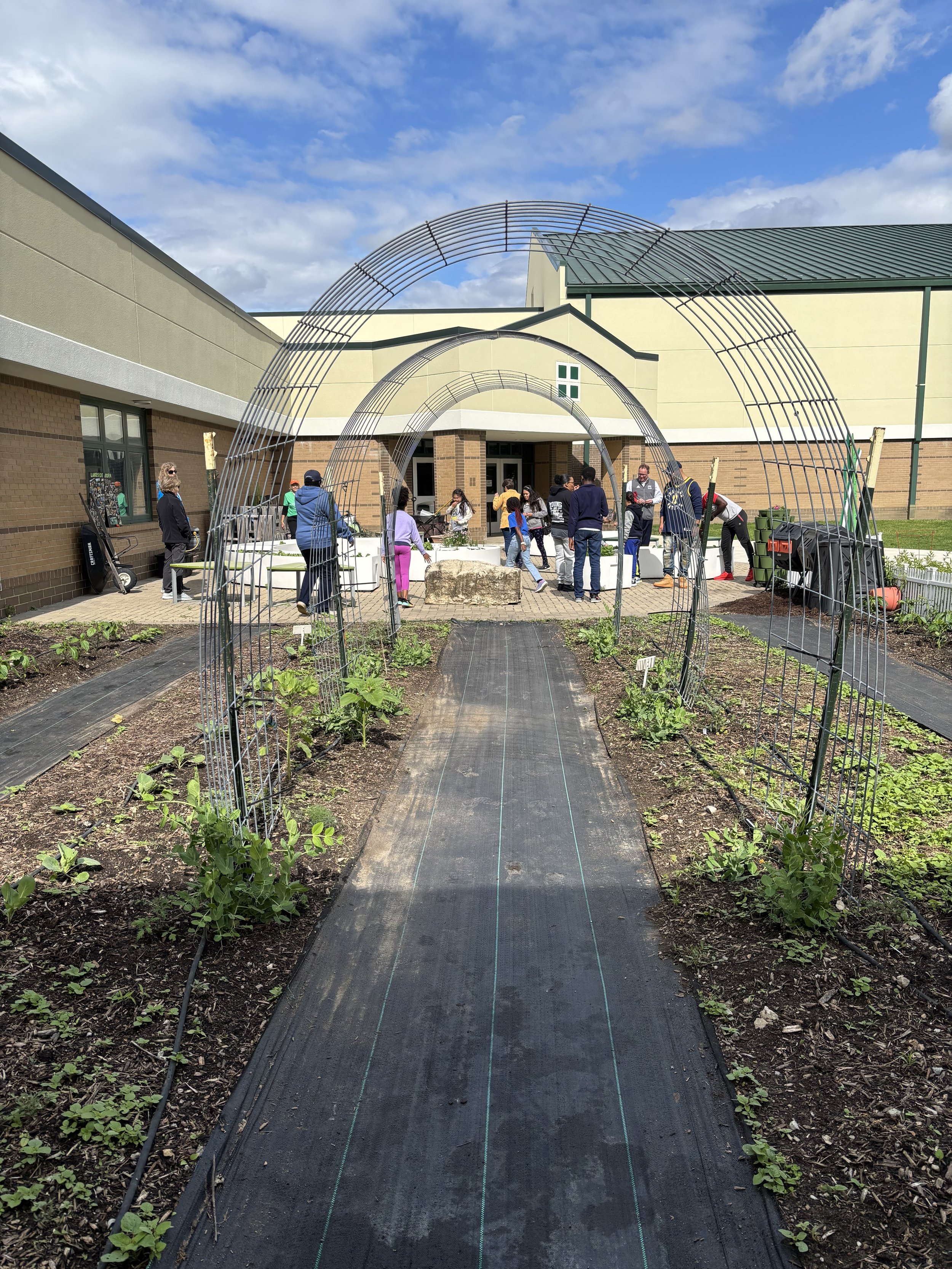
Growing Forward- Sustaining Lakeside's Learning Garden: The garden at Lakeside is an outdoor classroom where students engage in hands-on learning, environmental stewardship, nutritional education, and the power of teamwork. This spring they focused on strengthening the long-term sustainability of their vegetable garden by installing a more efficient irrigation system for the in-ground beds. This watering system will ensure plant health, reduce water waste and allow the garden to thrive when students are on summer break.
liberty park elementary
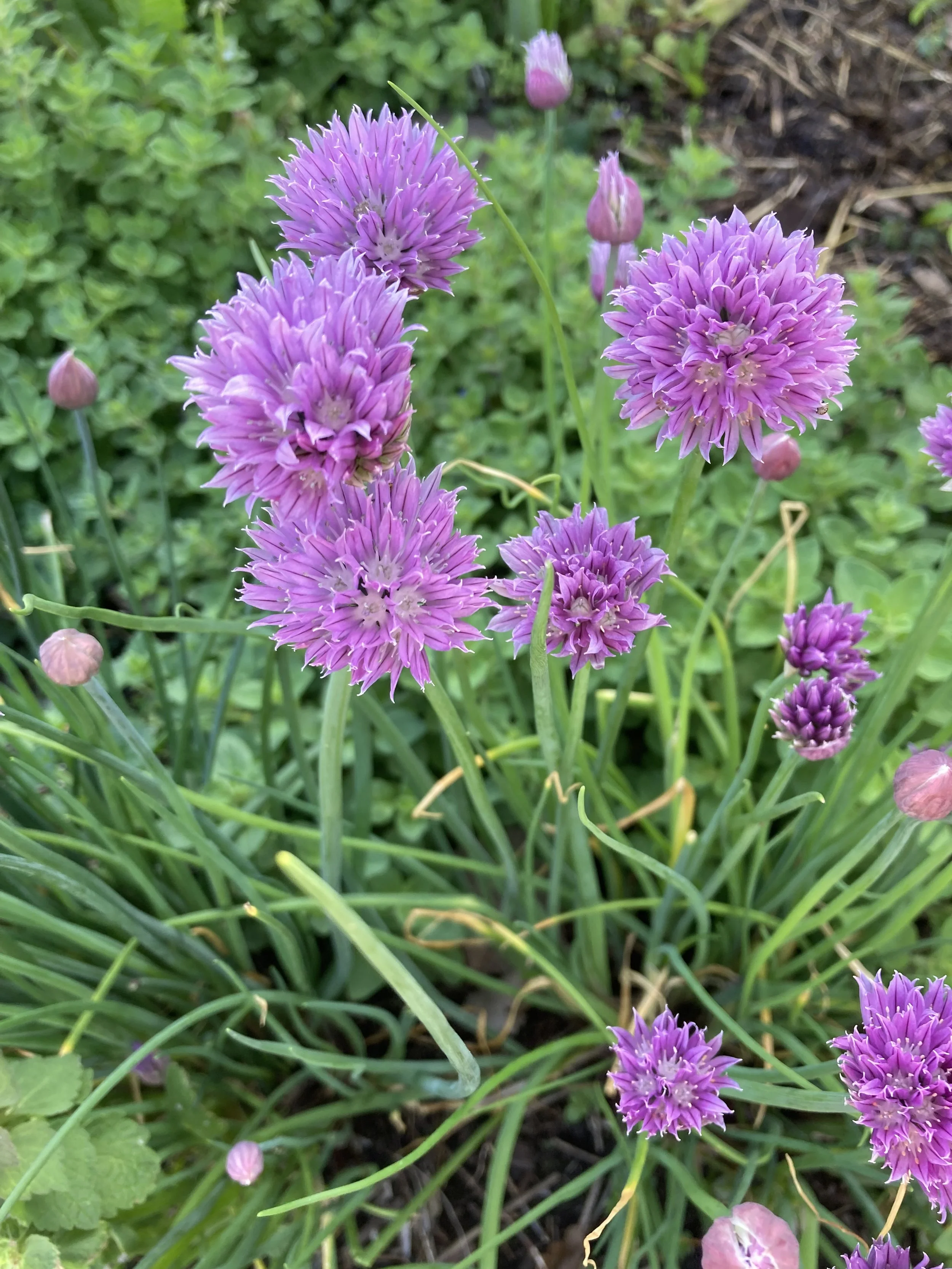
Liberty Park's Learning Garden: This grant provided Liberty Park with a great starting point for a new garden champion to take over their Learning Garden. They filled up their existing beds and bought sturdier trellises, gardening tools and additional supplies to launch a garden club next year. Liberty Park is excited to offer more consistent and rewarding opportunities for students to interact with the garden.
phalen leadership academy 103
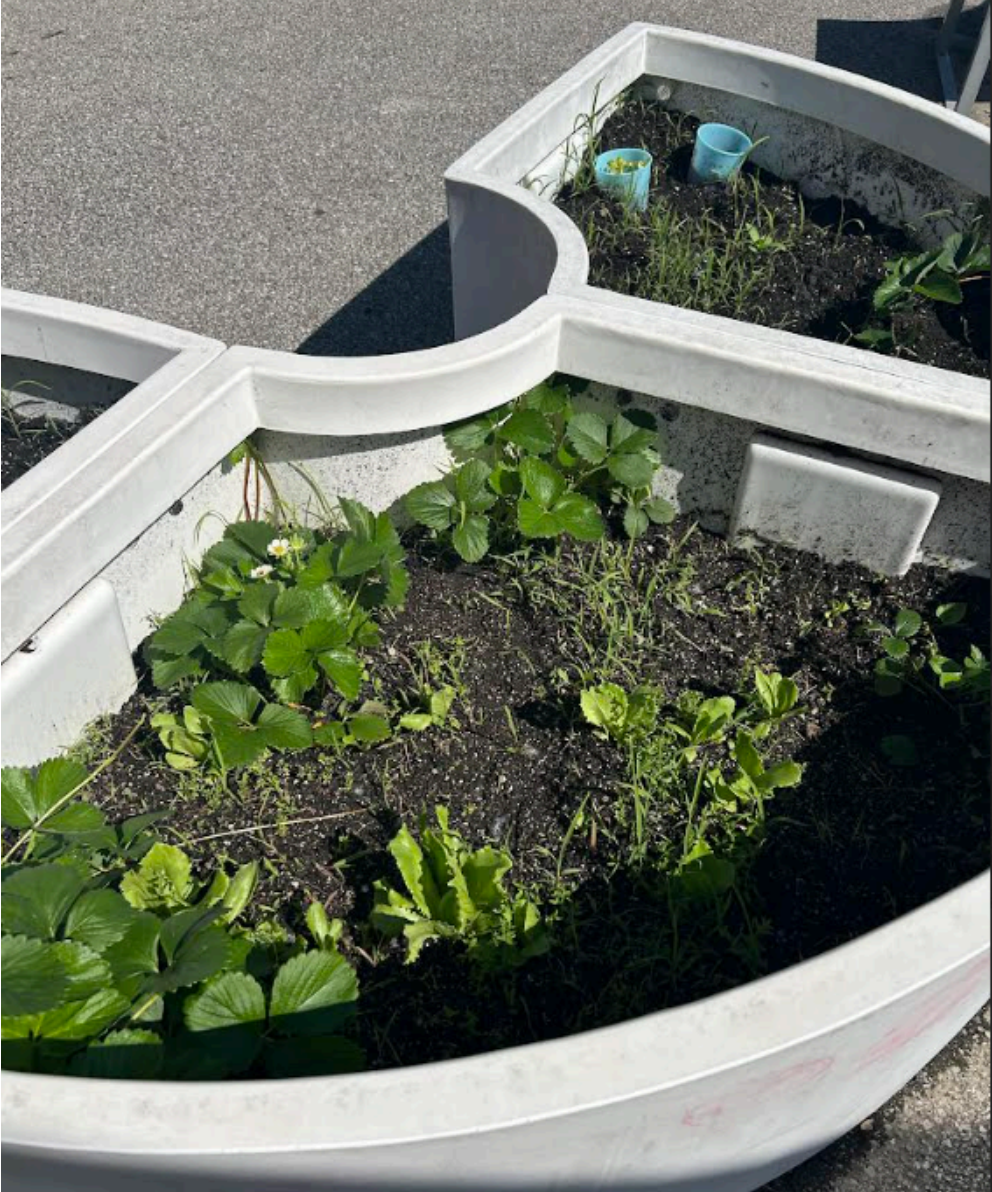
Food Sustainability From Seed to Table: PLA @103 plans to use grant funds to purchase gardening supplies, soil, seeds, plants, tools, and materials needed to expand and maintain the learning garden space. The garden serves as an outdoor classroom where students can apply classroom concepts in a meaningful, real-world environment while developing a deeper appreciation for nature, wellness, and community service.
raymond park intermediate & Middle school
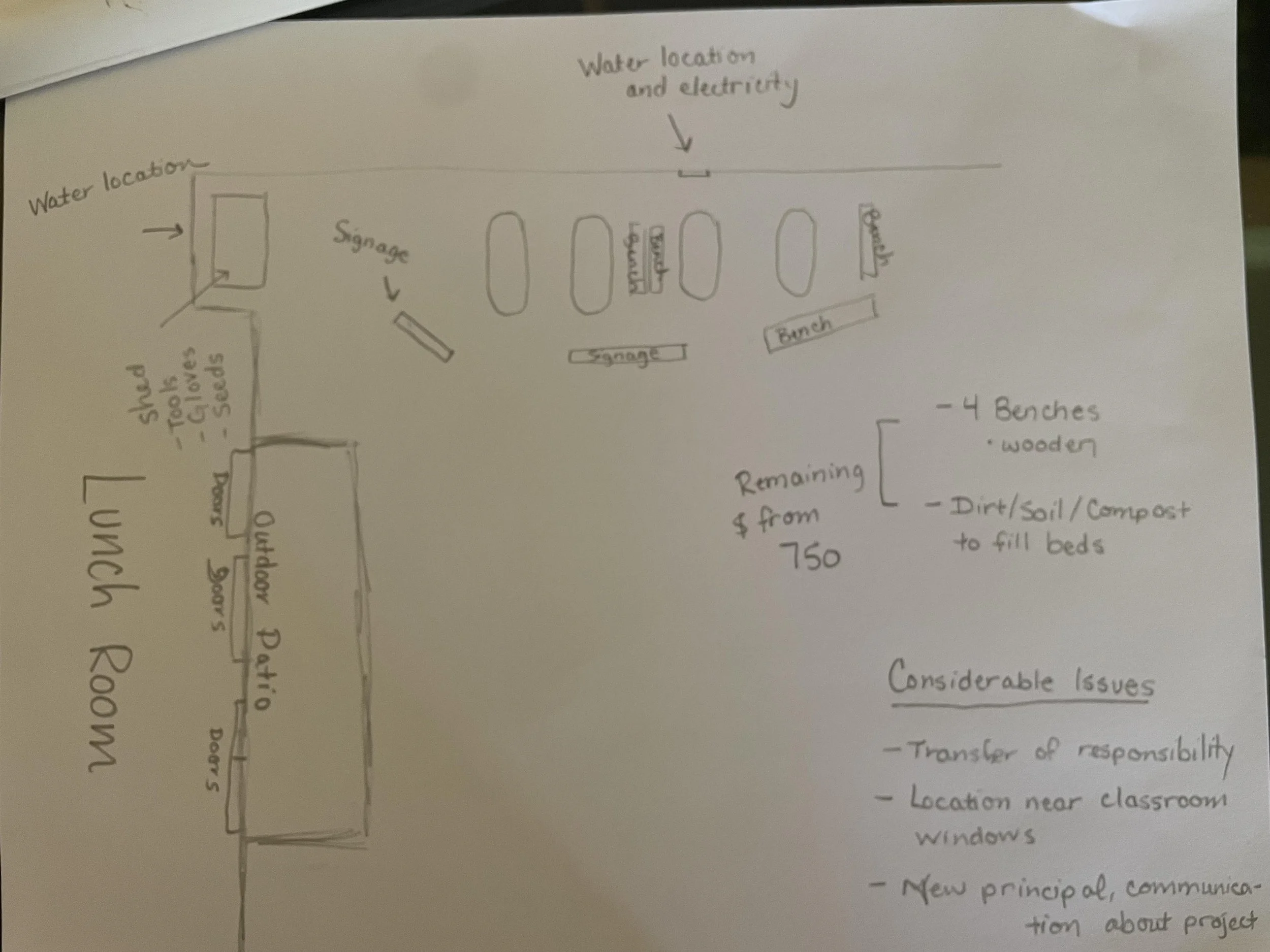
Sustainability Garden & Compost Initiative: Despite significant logistical hurdles, Raymond Park’s project achieved major milestones in student engagement and infrastructure planning. A complete physical blueprint has been mapped out, ensuring that the school has a fully funded, ready-to-assemble garden package for the incoming school year. Students actively participated in the initial phases by successfully sprouting seeds such as poppies, marigolds, and sunflowers for their future garden. This hands-on experience gave students a tangible connection to the project and sparked enthusiasm for gardening. Furthermore, the project is a success in stewardship: 97% of the $750 grant budget was responsibly allocated to purchase high-quality, long-lasting hardware and materials.
rosa parks elementary
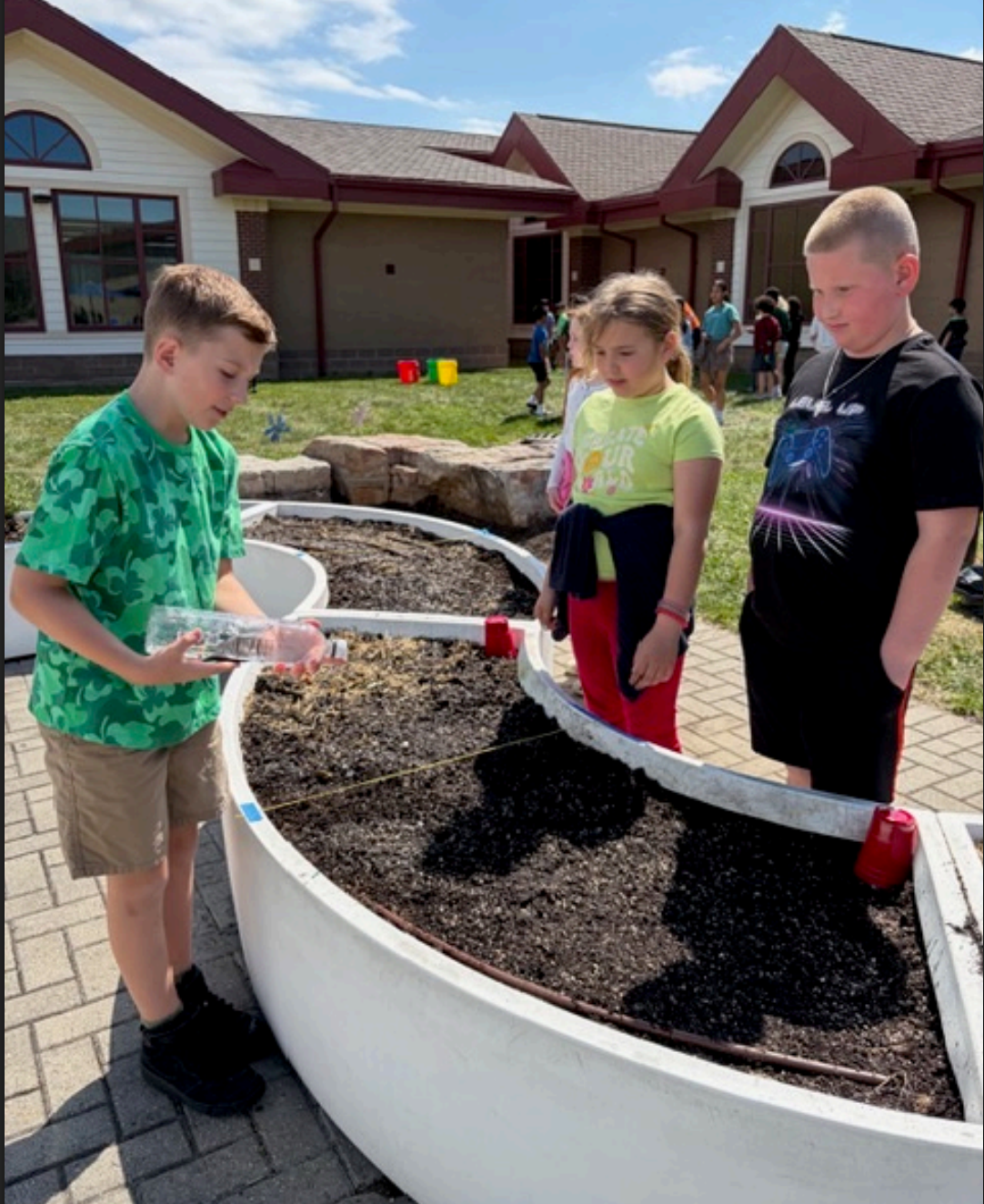
Learning Garden : Rosa Parks upgraded their garden with new plants, hoses, a new timer and a compost bin. They also organized two gardening days, giving students the opportunity to come to the garden to work and learn as often as time allows. With in-person support from Colleen, Earth Charter Indiana’s School Engagement Coordinator, students were able to do a variety of garden themed activities, including seed identification and exploration, garden prep, planting and watering. Community volunteers enjoyed the day right along with students.
school for community learning
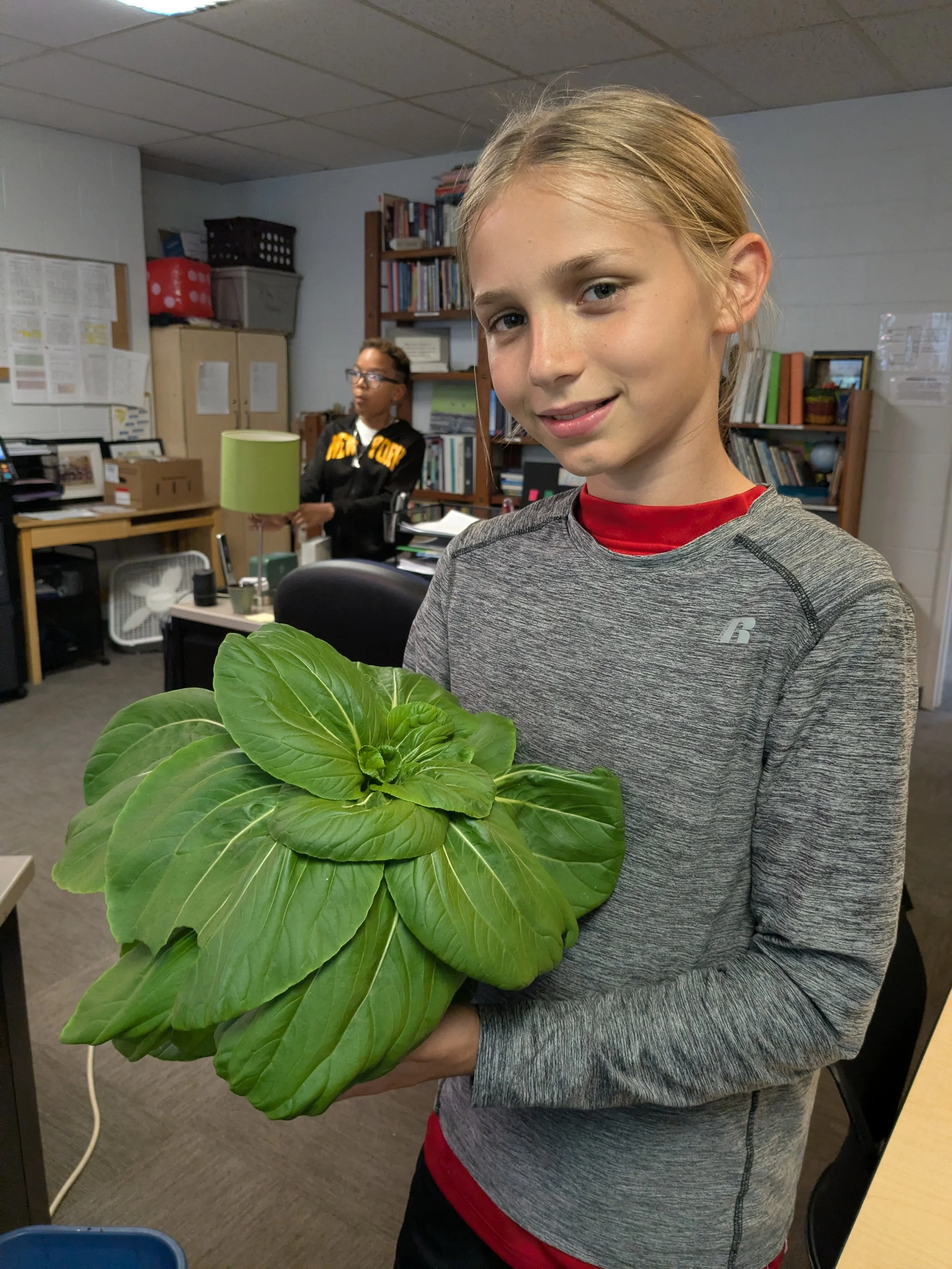
Watch Us Grow All Year-Round: SCL students, led by Mr. Tim Branson, had a very successful growing season. They prepared new raised beds and planted strawberries, peas, herbs and greens and started a variety of vegetables, herbs and flowers to sell in their annual plant sale. Students researched, planned, and problem-solved to get prepare a hydroponic fish tank for the fall. They grew peppers, tomatoes, bok choy, lettuce and more in their Food Tower. Thanks in large part to Mr. Tim’s dedication and the funding provided by the Thriving Schools grant, SCL students ages 5-15 all know how to grow food in a multitude of ways and have a firm understanding of how to reduce, reuse and recycle.
stout field elementary
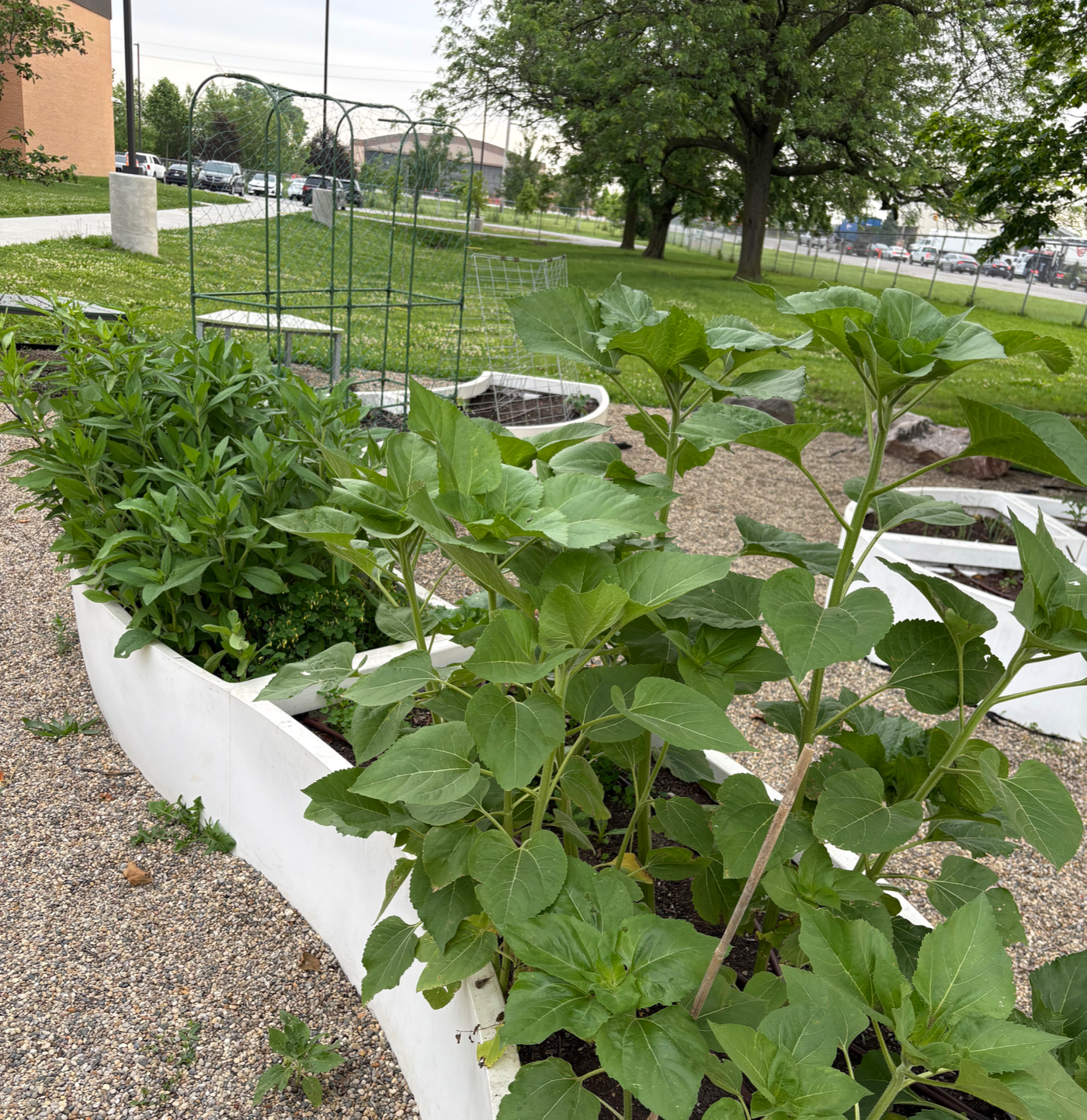
Learning Garden: The Stout Field school garden is an outdoor classroom where students actively participate in planting, maintaining, and harvesting food and native plants. It serves as a living laboratory to enrich subjects like science while teaching responsibility and growing one's own food. Students worked on a variety of garden related projects supported by this grant. Some experimented with winter sowing, some started seeds indoors, some planted those starts out in the garden, others sowed seeds directly in the garden, and some are still helping develop the surrounding pollinator garden.
the nature school of central indiana
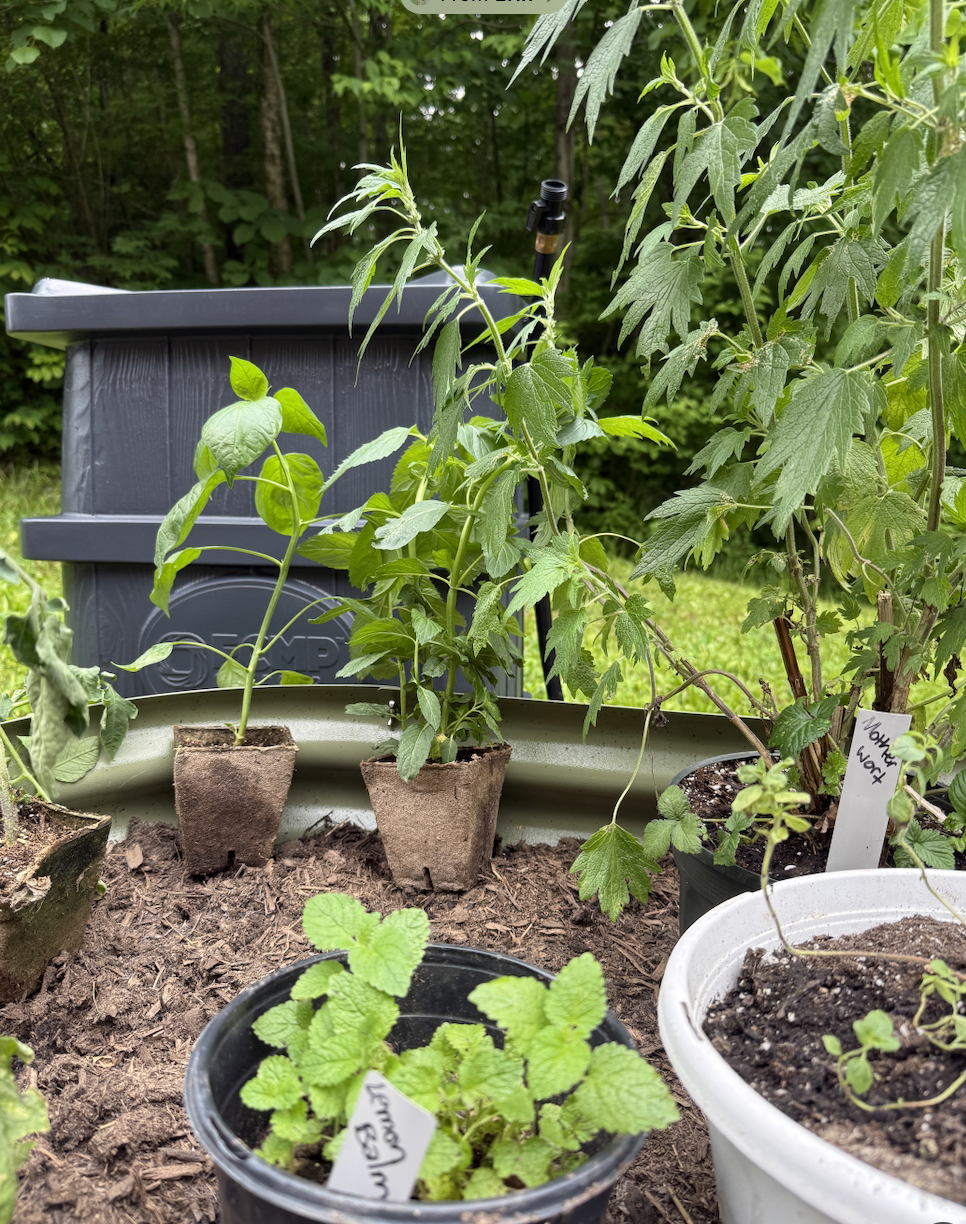
Living Waters & Healing Garden: Students at The Nature School created a medicinal garden to learn about plant life cycles, medicinal plants, rain water collection and watershed systems. They got one raised garden bed planted and have several more seed packets from Urban Farmer that they will plant next year. Students learned how to put together the raised bed how to layer different materials to block weeds and provide nutrients the plants need.
thomas carr howe middle school
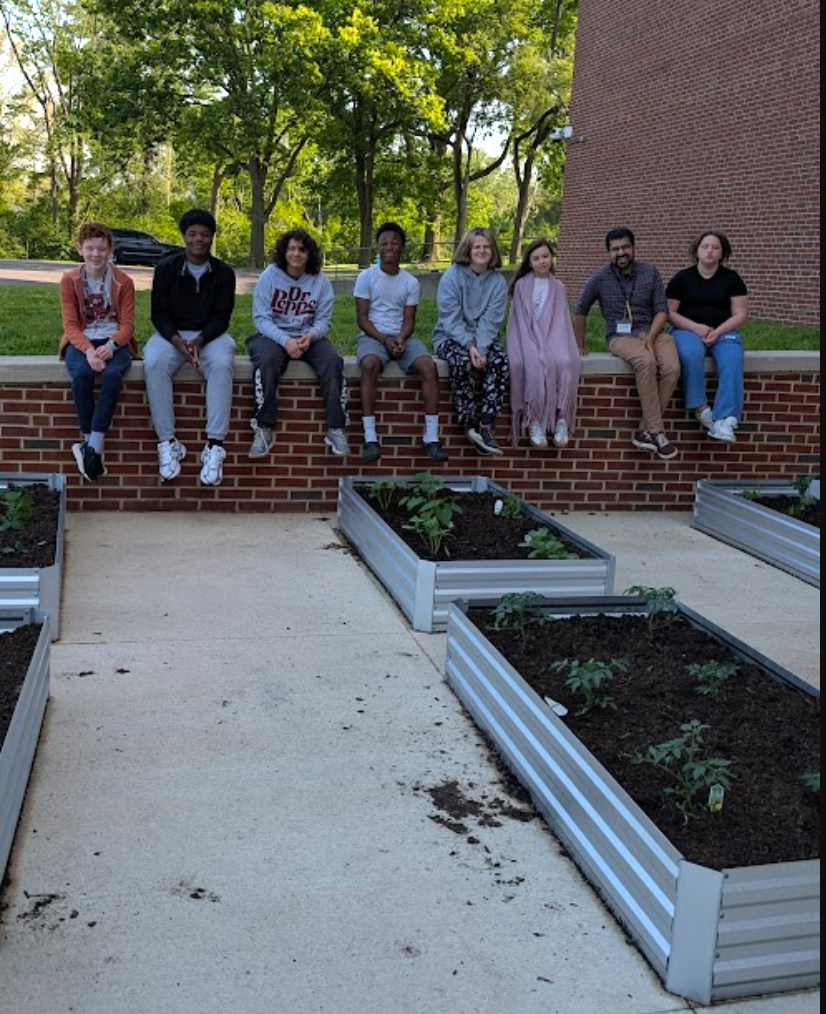
Howe Community Garden: Many Howe students stay after school and don't have access to healthy snacks, meaning they rehearse or compete on an empty stomach. This grant allowed students to construct a set of raised bed gardens for a salsa garden, an herb garden, a salad garden, a pickle garden, and a strawberry garden. These metal beds are on a concrete pad outside of the school cafeteria next to a watering bib, making the garden beds easy to maintain through the summer when less students are on campus. Their goal is to share the yield in the fall, and eventually, to expand the garden, as there is space in the area for twelve garden beds.
victory college prep
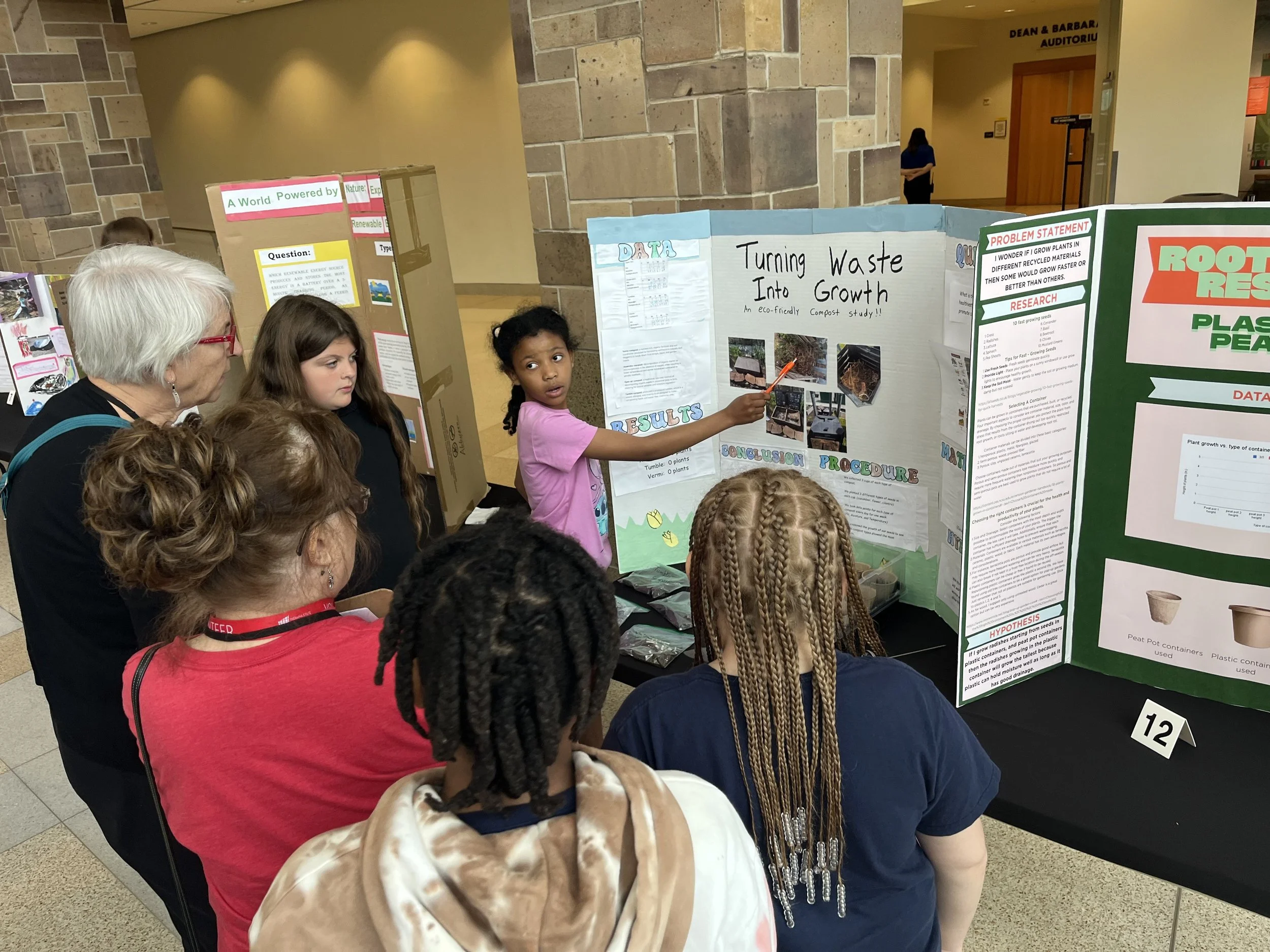
Hydroponics Grow Circular Economy with Chickens: VCP’s project was about adding more chickens to help consume food waste, enhance compost, and increase egg production. Their previous flock ate about 7 pounds of food scraps from the cafeteria each week. Their goal was to more than double that amount. With more chickens they will also produce more compost. They worked to set up a better schedule to use chicken waste and enhance at least some of our compost bin productions. They were able to purchase all the materials except the chicks and work on some animal education with students. Students will be taking care of the new chickens come next August.
white pine wilderness academy
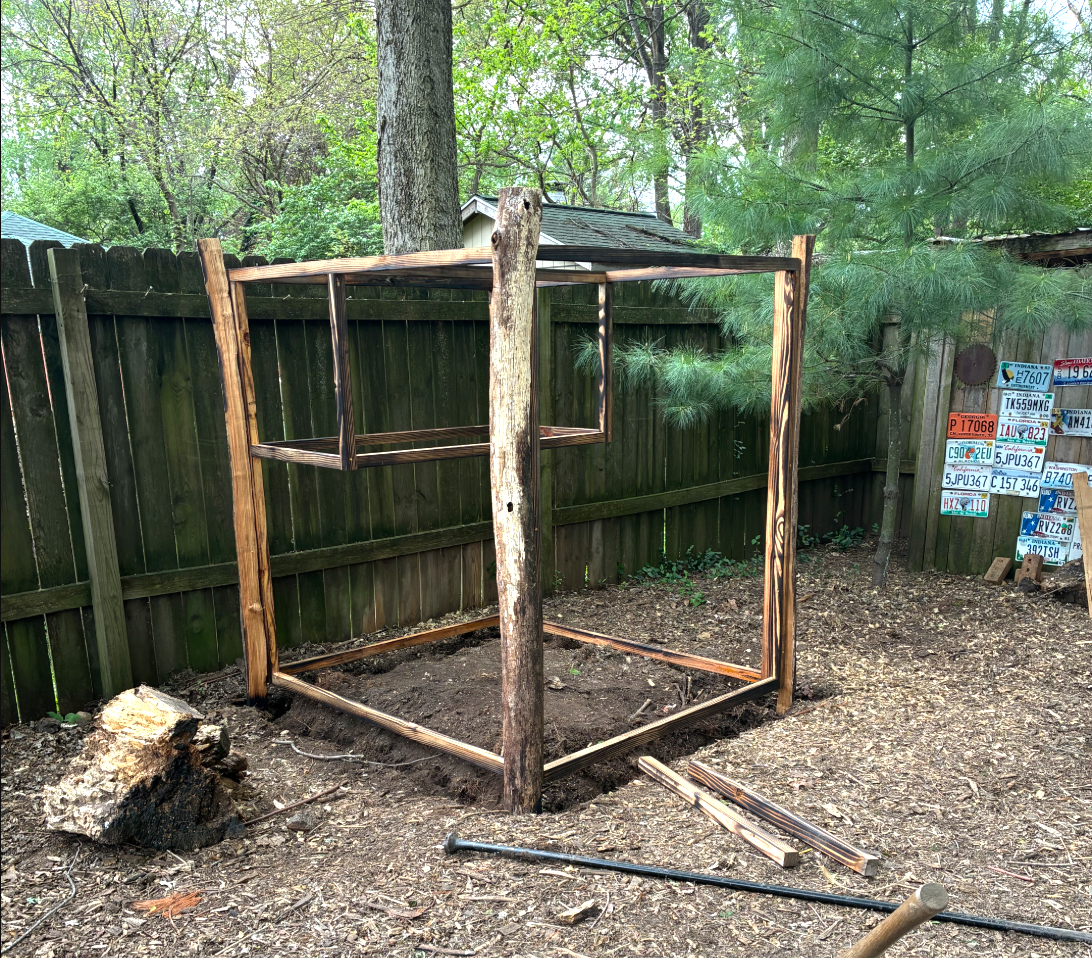
Chicken Coop & Compost Build: White Pine Wilderness Academy is a nature connection and survival skills school surrounded by riparian habitat, that seeks to address the effects of nature deficit disorder through reconnection to place, community, ancestry, traditional cultures, and skills. They used this micro-grant to build a chicken coop and plan to use the extra materials to build a new compost area with their summer camps.